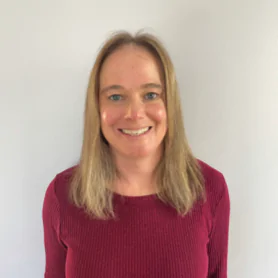
Tobey Bartel
RN, BC- Geriatrics, BSN, MSW
South Elgin, IL
Specialties: Hospice, Acute Care, , Alzheimer's, Elder Care, Fall Protection, Geriatrics, Long Term Care, Mental Health, Palliative Care, School Nursing, Social Work

Roy Higgins
MSN, RN, ALNC, PCCN
Palm Harbor, FL
Specialties: Hospice, Acute Care, Cardiac, Charge Nursing, Critical Care, Critical Care Unit (CCU), Electronic Medical Records (EMR), Ethics, Fall Protection, Fitness, Floor Nursing, Geriatrics, Head Injury, HIV-Aids, Infection Control, Infectious Diseases, Intensive Care Unit (ICU)...
About: Dedicated healthcare professional with a proven track record of over 10 years of experience in the field, seven of which have been spent as a registered nurse. I have consistently demonstrated a commitment to providing high-quality care to a diverse patient population across the healthcare...
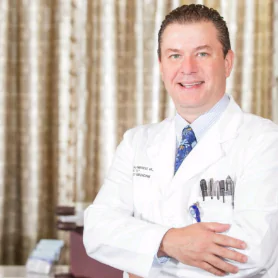
Cornell Calinescu
MD FAAFP BCEM
Las Vegas, Nevada
Specialties: Hospice, Acute Care, Brain Injury, Cardiac, Critical Care, Critical Care Unit (CCU), Death Investigation, Emergency Medical Services (EMS), Emergency Room (ER), Geriatrics, Gerontology, Head Injury, Home Health, Intensive Care Unit (ICU), Intermediate Care Unit (IMCU), Internal Medicine...
About: I am Double Board Certified Emergency and Family Medicine Physician with 18 years clinical experience. I have added expertise in Age Management Medicine, Aesthetics, Weight Management and Geriatric Medicine. I am a published Author and have written 2 books. My CV and reference are available at your...
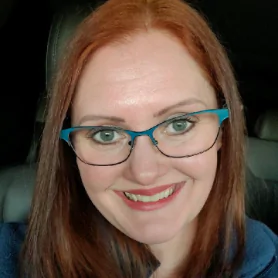
Samantha Nice
RN, BSN, ALNC
Wetumpka, AL
Specialties: Hospice, Altered Medical Records, Document Analysis, Workers' Compensation, Healthcare, Medical Malpractice, Workers Compensation, Wrongful Death, Acute Care, , Allergy, Cardiac, Cardiovascular, Charge Nursing, Devices and Equipment, Diabetes, Dialysis, Electronic Medical Records (EMR)...
About: I am an Advanced Legal Nurse Consultant and owner of Nice Medical Legal Consultants. As a Registered Nurse I consult with attorneys, by reviewing, interpreting, and analyzing medical records that are a part of medical malpractice, personal injury, wrongful death, and other medically-related cases,...

LaTresia Boone
RN, ALNC
Stockbridge, GA
Specialties: Hospice, Demonstrative Evidence, Legal Ethics, Legal Malpractice, Legal Research, Medical Malpractice, Workers Compensation, Wrongful Death, Acupuncture, Acute Care, Addiction, , Allergy, Alzheimer's, Anatomy, Anesthesiology, Assisted Living, Bariatric Surgery, Billing-Medical Billing, Brain Injury...
About: Hello. My name is LaTresia Boone and I've been a nurse since 1999. I am an advanced legal nurse consultant and have a passion for problem solving, researching and analyzing information. I have extensive experience as a peri anesthesia nurse. I've worked in areas to include, pre-admit testing, preop,...
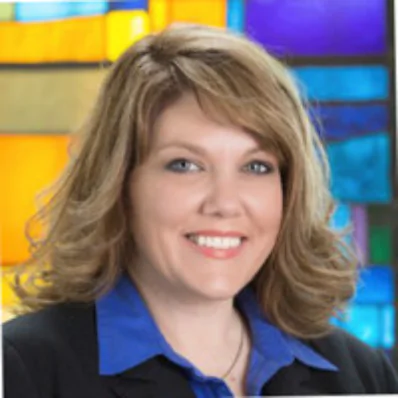
Dr. Lori Anne Huegel
DNP, MSN, RN, ALCN
Saint Jospeh, MI
Specialties: Hospice, Healthcare, Acute Care, , Assisted Living, Cardiac, Cardiovascular, Case Management, Charge Nursing, Diabetes, Dialysis, Elder Abuse, Electronic Medical Records (EMR), Emergency Medical Services (EMS), Emergency Room (ER), Hypertension, Infection Control, Intensive Care Unit (ICU)...
About: Executive Transformational Leadership/Change Management : Senior executive management professional, proven results and expertise in leadership, hospital, quality, clinical and support management. Possesses intuitive interpersonal skills, high-level critical thinking skills and accountability in...
Jodi Harms
RN, BSN, ALNC
Webster City, Iowa
Specialties: Hospice, Disability Accessibility, Product Liability, Product Safety, Benefits and Retirement, Disability Evaluation, Discrimination, Employability, Lost Earnings, Workplace Safety, Workplace Violence, Financial Planning, Altered Medical Records, Chemical Pathology, Document Analysis, Pathology...
About: Jodi Harms is the founder and owner of Harms, Legal Nurse Consulting, LLC. Jodi is a Registered Nurse and is certified as an Advanced Legal Nurse Consultant. Her education includes an Associate Degree in Nursing and a Bachelor of Science Degree in Nursing from the University of Iowa. Jodi is...

Michael Savage
MSN, RN, ALNC
,
Specialties: Hospice, Endoscopy, Home Health, Infection Control, Legal Nurse Consultant, Medical Devices, Medical Record Review, Operating Room (OR), Orthopedics, Peri-Operative, Perioperative Nursing, Pharmaceutical, Post Operation (Post Op), Pre Operation (Pre Op), Registered Nurse (RN), Risk Management...
I am an Advanced Legal Nurse Consultant with 4 years experience in surgery and 3 years of experience in home health, hospice , and long term care. I also have a background and prior work experience in engineering. Contact me for collaboration on any medical aspect of your cases.
Eric Norman
MD
Hollywood, FL
Specialties: Hospice, Brain Injury, Cardiac, Cardiovascular, Catastrophic Injuries, Child-Adolescent Development, Critical Care, Critical Care Unit (CCU), Devices and Equipment, Disability, Ethics, Head Injury, Intensive Care Unit (ICU), IV Therapy, Medical Devices, Medical Record Review...
About: I am a Board Certified General Pediatrician and Pediatric Critical Care Physician working in the inpatient and outpatient settings, including pediatric intensive care, pediatric emergency room and general pediatrics. I specialize in the care of children from birth through 21 years of age. My areas...
John Hayward
MD
San Francisco, CA
Specialties: Hospice, Internal Medicine, Palliative Care